In recent months, I’ve noticed a new term gaining traction among planning software vendors: Touchless Ordering. The concept is simple yet foundational—the recommended orders from your system are placed automatically, without any intervention from planners.
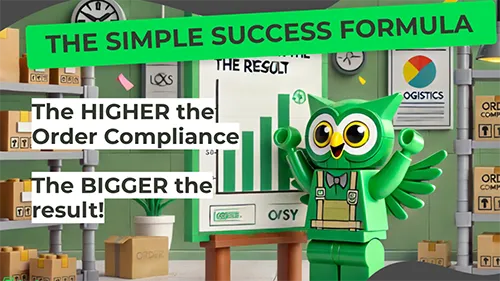
For me, this represents the holy grail of planning. This measure is far more significant than traditional metrics like forecast accuracy. In my experience, achieving a high degree of touchless ordering (+95%) leads to substantial financial benefits, such as dramatic reductions in inventory, improved service levels, and a stable, efficient planning process without the need to intervene with Excel.
How to achieve touchless ordering?
However, achieving touchless ordering is no easy feat. It requires a concerted effort in several key areas:
- Clearly Define and Continuously Evolve Your Processes: A well-defined process is the backbone of any planning system. It’s essential to map out each step clearly, to keep it simple, and to ensure that all stakeholders understand their roles. But don’t stop there; this process should evolve as your business changes. Regularly review and adjust your workflows to align them with your current objectives and challenges.
- Ensure Your Base Data is Accurate A planning system is only as good as the data it relies on. Inaccurate data leads to faulty recommendations, eroding trust in the system. Therefore, it’s crucial to maintain high data accuracy. Regular audits and updates to your base data—such as lead times, bills of materials, accurate inventory levels, and demand forecasts—are essential to ensure the system can provide reliable recommendations.
- Continually Monitor and Optimize Policy Settings Policy settings, like safety stock levels and order frequencies, need constant attention. These settings are not “set and forget” parameters; they require ongoing monitoring and adjustment. By continuously optimizing these settings, you can fine-tune your planning system to respond more accurately to changes in demand, supply variability, and other factors. I believe this is where AI will find its rightful place in supply chain planning.
Fewer Planners?
Touchless ordering doesn’t mean fewer planners; it means planners are focused on the right things—keeping your replenishment system finely tuned by continuously reviewing exceptions and addressing the root causes of overstocking or understocking. By doing this, planners ensure that the system remains responsive and accurate. They refine your processes to keep up with the real world.
Conclusion
Embarking on the journey to touchless ordering is challenging, but the rewards are significant. Clients who have achieved this level of order adherence unlock the full potential of their planning process—resulting in leaner inventories, better service levels, and a more stable supply chain.
Think flow,
Kevin Boake